Scott 3200A Tailwheel – Fully Rebuilt: Reliable Aircraft Ground Handling Performance
Scott 3200A Tailwheel – Fully Rebuilt: Reliable Aircraft Ground Handling Performance
Blog Article
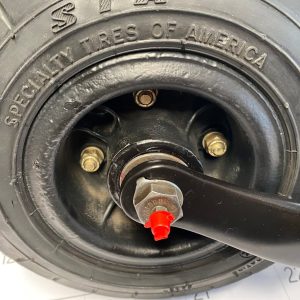
The Scott 3200A Tailwheel – Fully Rebuilt gives operators an alternative to an unknown used assembly when the rebuild process, component condition, and package contents are documented clearly. The meaning of fully rebuilt should be supported by information describing disassembly, cleaning, inspection, measurement, lubrication, component replacement, reassembly, adjustment, and functional testing.
The Scott 3200A Tailwheel Assembly remains relevant for restoration work, scheduled maintenance, worn-component replacement, and ground-handling improvement projects. The Scott Tailwheel Assembly may contain bearings, bushings, springs, steering pawls, arms, wheel components, axle hardware, fasteners, and internal wear surfaces.
An Aircraft Tailwheel Assembly experiences vertical loads, side forces, vibration, steering input, and occasional impact during routine service. A General Aviation Tailwheel operating mainly on pavement may experience different wear from one used regularly on grass, gravel, dirt, or backcountry strips.
Whether the project involves a Tailwheel Steering Assembly, Aircraft Ground Handling Tailwheel, or Scott 3200 Series Tailwheel, professional installation remains important.
Exploring the Scott 3200 Tailwheel Design
The assembly can respond to normal steering input while allowing broader movement when its internal mechanism releases appropriately. A system-level evaluation can identify the true cause of binding, looseness, poor centering, irregular tire wear, or inconsistent ground control.
Choosing a Scott 3200A Tailwheel Assembly
Its mechanical configuration can support directional control during normal taxiing while allowing wider turning movement when required. Reusable parts may remain acceptable when they pass inspection, while worn or damaged components should be replaced appropriately.
Scott Tailwheel Assembly Service Quality
Final adjustment and functional testing should here confirm that the Scott Tailwheel Assembly operates consistently. A written work summary helps explain how the seller defines the assembly’s condition.
Choosing an Aircraft Tailwheel Assembly
The assembly carries tail weight while managing runway irregularities, side loads, repeated landing cycles, and directional forces. The entire installation should be reviewed whenever a rebuilt tailwheel is fitted.
Benefits of a General Aviation Tailwheel
Each operating environment places different demands on the tire, wheel, fork, bearings, steering mechanism, hardware, and lubrication. Training aircraft may accumulate frequent taxi and landing cycles, while bush airplanes may experience greater surface irregularity and impact loading.
Aircraft Tailwheel Steering Performance
The assembly remains part of a complete ground-handling system that also includes rudder control, brakes, main gear, and pilot technique. A serviceable tire-and-wheel arrangement supports the work completed within the steering mechanism.
Taildragger Ground Handling
Taildragger pilots coordinate rudder, brakes, power, and tailwheel input to maintain ground stability. Pilots should avoid unnecessary mechanical stress while using operating techniques appropriate to the aircraft and surface.
Benefits of an Aviation Tailwheel System
A worn tail spring or loose mounting bolt may cause poor tracking even when the rebuilt tailwheel remains mechanically serviceable. Steering chains or links should have suitable tension, symmetry, attachment security, and freedom of movement according to the aircraft configuration.
Choosing a Tailwheel Steering Assembly
Springs, pawls, bushings, bearings, steering arms, and internal contact surfaces can influence steering response. The mechanism should not interfere with surrounding structure, chains, springs, fairings, or nearby aircraft components.
Aircraft Ground Handling Tailwheel
A correctly adjusted tailwheel may support smoother maneuvering without excessive brake use. Responsible ground movement protects the Aircraft Ground Handling Tailwheel and surrounding structure.
Choosing a Scott 3200 Series Tailwheel
Historical popularity does not remove the need for exact aircraft compatibility and installation verification. Buyers should verify markings, mounting dimensions, steering-arm arrangement, wheel configuration, and included components.
Maintaining a Heavy-Duty Aircraft Tailwheel
A Heavy-Duty Aircraft Tailwheel may be considered for utility, bush, training, agricultural, work-oriented, or backcountry aircraft exposed to demanding ground use. Durability depends on structural condition, bearing service, steering-spring integrity, wheel alignment, lubrication, tire condition, and correct installation.
Choosing Tailwheel Aircraft Parts
Visually similar hardware can differ in dimensions, material, strength, finish, or mechanical fit. Replacing only the most obvious damaged component may not correct the underlying issue.
Benefits of an Aircraft Steering Tailwheel
A rebuilt steering mechanism should be evaluated for smooth, consistent, and repeatable operation. Uneven tire wear may indicate alignment, bearing, or steering concerns.
Installing a Replacement Aircraft Tailwheel
The rebuilt Scott 3200A should be compared with both the existing installation and the intended aircraft configuration. Qualified personnel should verify condition, completeness, and installation suitability.
Inspecting General Aviation Landing Gear Parts
Main-wheel alignment, brake condition, tire pressure, and airframe rigging can influence how a taildragger behaves on the ground. Sellers should avoid unsupported claims of universal compatibility, guaranteed serviceability, or immediate installation readiness.
Scott Tailwheel Condition Checklist
The rebuild date and identity of the rebuilder should be provided where available.
- Request photographs of the front, rear, sides, wheel, fork, steering arms, mounting area, identification marks, and loose components.
- Confirm whether retained components passed inspection and whether replacement parts were appropriate for the assembly.
- Confirm the seller’s terms, written invoice, rebuild documents, payment protection, shipping insurance, packaging method, inspection period, and return conditions.
Professional Scott 3200A Installation
Professional installation helps protect both the rebuilt Scott 3200A and the aircraft structure. The tailwheel should move through its intended range without binding, abnormal looseness, interference, or contact with surrounding components.
A post-installation inspection can confirm hardware security and reveal early movement marks.
Routine Tailwheel Inspection and Service
Preventive maintenance can identify wear before it develops into shimmy, binding, looseness, poor steering, or component damage. Changes in taxi handling should be documented and reported.
Responsible care supports dependable Scott Tailwheel Assembly performance.
Selecting a Scott 3200A Tailwheel Assembly
When professionally inspected, installed, adjusted, tested, and maintained, the Scott 3200A Tailwheel – Fully Rebuilt can become a reliable component of a compatible conventional-gear aircraft. The strongest purchase decision begins with confirming model identity, rebuild scope, replaced components, retained parts, structural condition, tire status, steering arrangement, included hardware, and aircraft compatibility.
Whether the aircraft operates from pavement, grass, gravel, dirt, private strips, utility fields, or backcountry airfields, the tailwheel should match the actual aircraft and operating environment. With verified compatibility, correct installation, professional steering adjustment, suitable lubrication, and routine inspection, the assembly can provide dependable long-term value.
Report this page